UGC content agreement
Starting template, not legal advice. Laws differ by country and state, and this has not been reviewed for your situation. Have a lawyer where you live review it before either party signs.
This agreement, made on [date], is between [Creator's full legal name] (“the Creator”) and [Brand's legal company name] (“the Brand”). It sets out the content the Creator will make, what the Brand pays, and how the Brand may use it.
1. What the Creator will make
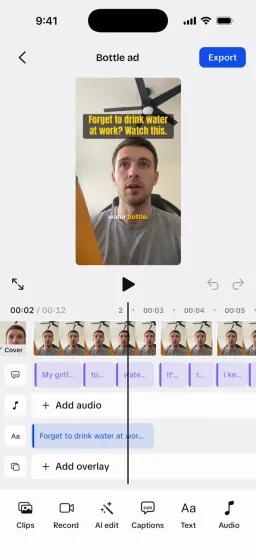
- 1 × 30-second vertical (9:16) video with captions.
- Raw, unedited footage is not included unless both parties agree to it, and a fee for it, in writing.
- Everything listed above is called “the Content” in this agreement. The Brand will send a written brief, and the Content will follow it. Anything outside the brief or this list is new work, quoted separately.
- The Creator will not post the Content on the Creator's own accounts unless both parties agree to it in writing.
2. Dates, approval and revisions
- The Brand will send the product and the brief by [date].
- The Creator will deliver the first draft of the Content by [draft due date]. If the product or brief arrives late, this date moves back by the same number of days.
- The price includes 1 round of revisions. The Brand will send all of its changes for a round together, in writing, and the Creator will deliver the revised Content within 3 business days.
- A revision is a change to the delivered Content (an edit, a trim, re-recording a line). A new concept, script, location or product is new work, quoted separately.
- Further revision rounds cost [fee per extra round] USD each.
- If the Brand hasn't replied within 5 business days of a delivery, the Content counts as approved.
3. Payment
- The fee for the Content and the usage rights below is [fee] USD.
- The Brand pays 50% of the fee when this agreement is signed, and the other 50% when the final Content is delivered.
- The up-front payment is non-refundable once the Creator has received the product or the brief.
- Each invoice is due within 14 days. Payment is by bank transfer.
- If an invoice is more than 14 days overdue, the Brand's right to use the Content pauses until it is paid.
- The Creator keeps the product sent for the shoot, in addition to the fee.
- The Creator is an independent contractor, not an employee, and is responsible for the Creator's own taxes.
4. How the Brand may use the Content (usage rights)
- After the Brand has paid in full, it may use the Content in: the Brand's own social media accounts (organic posts); the Brand's website and product pages.
- This right lasts for 3 months from the date the Brand approves the final Content. Territory: worldwide.
- Paid use is not included: the Brand may not run the Content as paid ads, or boost it, without a new written agreement and fee.
- When the right ends, the Brand stops running the Content as ads, won't publish it anywhere new, and removes its organic posts of the Content within 14 days. Extending the right needs a written extension and fee.
- The Brand may trim the Content and add its logo, captions, prices and calls to action. It won't change the meaning of what the Creator says, or use the Creator's name or face to endorse a different product, without the Creator's written OK.
- The Brand won't use the Content, or the Creator's face, voice, name or likeness, to train AI models or to make new or altered content (including synthetic voice or video, AI avatars and AI-dubbed versions) without a separate written agreement and fee. The edits allowed in the item above are not affected.
- Anything not listed here (for example TV, print, billboards or other brands) needs the Creator's written agreement first.
5. Honest content and ad disclosure
- The Creator will only say what reflects the Creator's honest opinion and real experience of the product, and won't claim to have used it in ways the Creator hasn't.
- The Brand will tell the Creator in writing which product claims may and may not be made, and is responsible for having proof for any claim it asks the Creator to make.
- If the Creator ever posts the Content, the Creator will disclose the paid relationship clearly in the post itself, by saying and showing words like “ad”, as well as using the platform's paid-partnership label.
- When the Brand runs the Content as its own ads, it is responsible for the ads following advertising law, including not presenting the Creator as an unpaid customer where that would mislead viewers.
- Each party will follow the advertising and disclosure rules where the Content runs (in the US, the FTC's Endorsement Guides).
6. Who owns the Content
- The Creator owns the copyright in the Content. The Brand gets the usage rights above (a license), not ownership. The Creator won't license this Content to anyone else while those rights last.
- The Creator may show the final Content in the Creator's portfolio and pitches, but only after the Brand has published it or 90 days after delivery, whichever comes first.
- The Brand confirms it has the right to any logos, music, product images or other material it supplies. The Creator won't use music or footage the Creator doesn't have the rights to.
7. Cancelling and ending the agreement
- If the Brand cancels before the Creator has started work, it owes nothing more. The up-front payment is refunded unless it has already become non-refundable under the Payment section.
- If the Brand cancels after work has started (the product or brief has arrived, or filming has begun) but before delivery, the Creator is owed a kill fee of 50% of the main fee. Payments already made count towards it: the Brand pays any shortfall, and the Creator refunds any excess except a payment that is non-refundable under the Payment section.
- If the Brand cancels after the first draft is delivered, it pays the full fee. In every case, the Brand may only use Content it has paid for in full.
- Either party may end this agreement if the other breaks it and doesn't fix the problem within 7 days of written notice.
- Sections on payment owed, ownership and honest content keep applying after the agreement ends.
8. Everything else
- Both parties keep the terms of this agreement, and anything confidential they learn about each other's business, private, unless the law requires otherwise. The Creator won't share unreleased product details before launch.
- Neither party is responsible for the other's indirect losses (such as lost profits).
- If someone makes a legal claim about a product claim, script line, logo, music or other material the Brand supplied or approved, the Brand covers the Creator's reasonable costs of that claim. If the claim is about something the Creator added without the Brand's approval, the Creator covers the Brand's reasonable costs.
- Notices under this agreement (including cancellation and breach notices) are sent by email to the Creator at [Creator's email] and to the Brand at [Brand's email], or to a new address a party gives by notice. A notice counts as received the next business day after it is sent.
- This agreement is governed by the law of [state or country]. Before going to court, the parties will try for 14 days to settle a dispute by talking to each other. After that, either party may bring the dispute in [the courts that will hear disputes, e.g. the state courts in Kings County, New York].
- If a court finds any part of this agreement unenforceable, the rest of it still applies.
- Each person signing confirms they are allowed to sign for the party they sign for.
- The parties may sign separate copies, and may sign electronically (for example with an e-signature service or a signed PDF). Together the signed copies make one agreement.
- This is the whole agreement. Changes must be in writing and agreed by both parties; email counts.
Signed
Creator: [Creator's full legal name]SignatureName and titleDate
Brand: [Brand's legal company name]SignatureName and titleDate