Short answer
Scaling ads with UGC means feeding the ad account more tested creative, not just more budget.
Get each video in two or three versions with different opening hooks (a creator charges about 25% of the video fee per extra hook), test one variable at a time for at least 7 days as Meta and TikTok both recommend, then put budget behind the winner and brief more creators on its pattern. Buy the paid usage or Spark Ads rights up front, so a winning ad isn't switched off when the licence ends.
What does it mean to scale ads with UGC?
An ad account can only spend well on creative that's working. Scaling with UGC is a loop: more videos from more creators, each in several versions, tested fairly, with the winners kept running and copied. Each turn needs something different from the brand:
- 1. Brief several creators on one angleDifferent faces and voices give the test something real to choose between. See the UGC formats that brief well.More creators
- 2. Order each video with extra hooksThe same body with two or three openings is the cheapest new ad you can buy.A/B/C
- 3. Test one variable at a timeThe hook, with the same audience, budget and placement on each side.7 to 30 days
- 4. Scale the winner, brief the next roundSpend behind the winning version and ask creators for new videos on its pattern.
How do you get A/B/C hook versions from one UGC video?
Ask for the hook as a separate piece: the first line on screen and in the voice, with the rest of the video the same. Here is one clip exported three times by UGCLive's renderer, with only the opening text swapped. The hooks are from our UGC hook library, and each opens a different way: a mistake, a before and after, and a money saving. To write your own from a brief, start with the script and hook writer.
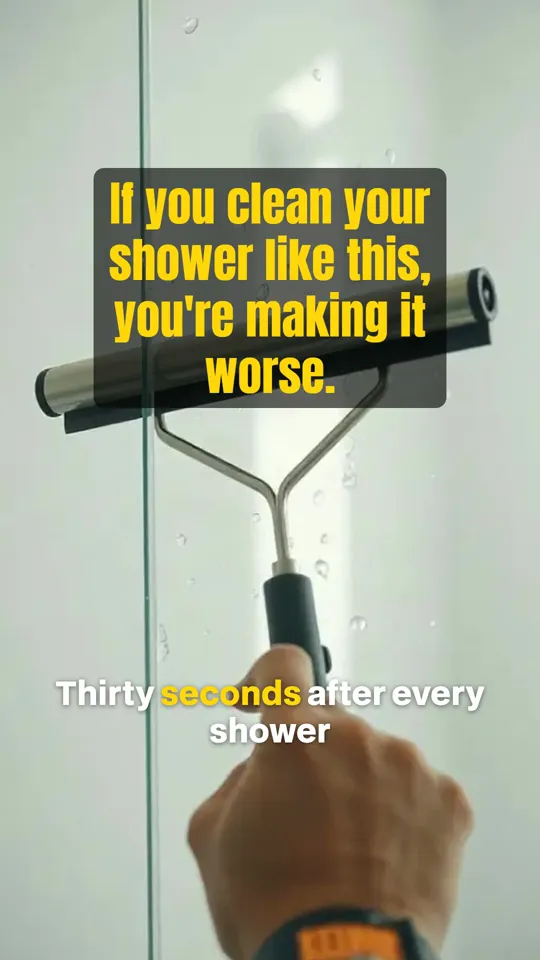
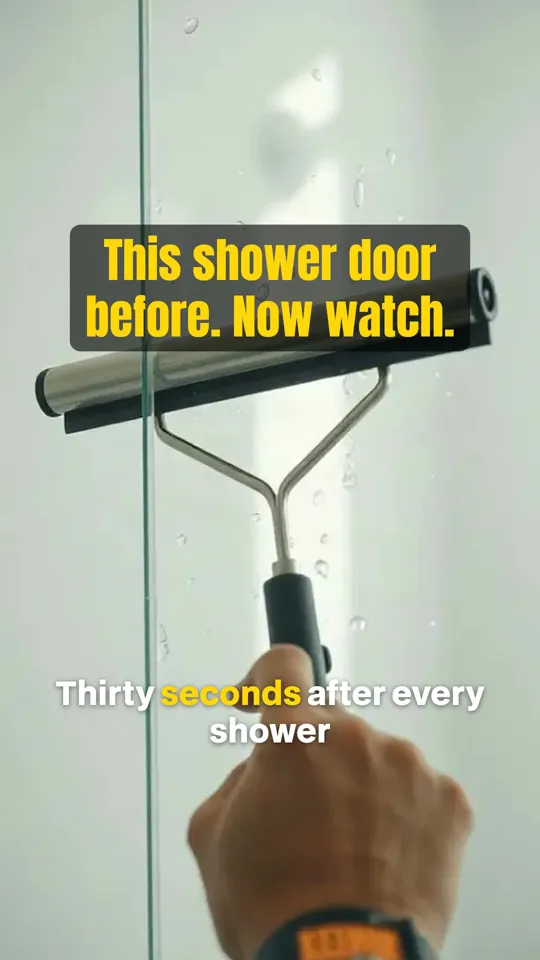
Frames at 2 seconds from three MP4s rendered by UGCLive's export renderer on October 16, 2026: the same clip, caption and style, only the hook text changed. The footage is a stand-in still.
Our rate calculator prices an extra hook at 25% of the video fee, so two extra hooks on a $175 beginner video add $88 ($263 in all). That's three ads for less than the price of two videos, and a cleaner test: with the body identical, any difference in results comes from the opening.
How should you test UGC hooks so the result means something?
- 1. Change only the hookMeta: "Test only one variable for more conclusive results" (best practices). TikTok names a video's opening hook, its first 2 to 3 seconds, as a creative variable and allows one variable per split test (TikTok).
- 2. Give each version the same budgetMeta recommends "the same budget for both versions" (About A/B testing); TikTok asks for a budget that gives at least 80% testing power (TikTok).
- 3. Run it for at least a weekBoth platforms recommend at least 7 days and cap a test at 30. Longer when buyers take more than a week to convert.7 days minimum
- 4. Don't switch ads on and off by handMeta warns that informal testing "can lead to inefficient ad delivery and unreliable test results". Use the platform's test tool and leave it alone until it ends.
- Meta creative testingAds Manager, inside an existing campaign
- Versions2 to 7 creative variants
- BudgetMeta suggests no more than 20% of the campaign's budget
- Check: ResultRanks the ads on your metric; no confidence level
- TikTok split testBuilt for hooksAds Manager, two ad groups
- VersionsTwo: a control and a test
- BudgetEnough for at least 80% estimated testing power
- Yes: ResultA winner only at 90% confidence
Meta: Set up a creative test; TikTok: About split testing; read October 16, 2026.
How long, and how sure, before you scale a winner?
- 7
- days: the shortest test both Meta and TikTok recommend
- 30
- days: the longest test either platform runs
- 90%
- confidence before TikTok declares a winner
Meta best practices and TikTok split test best practices, read October 16, 2026.
Neither platform publishes a minimum budget in dollars or a rule for how often to replace creative, and we haven't run these tests ourselves, so treat a 7-day winner as a lead to brief on, not a law. Retest the winner against new hooks when its cost per result climbs.
Where do brands find and hire UGC creators?
UGC marketplaces are where most brands hire. Our UGC jobs reviews read each platform's own pages from the creator's side (last on October 14, 2026), which tells a brand what creators there are paid before any platform fee:
What creators are paid per video, as each platform states it
| JoinBrands | $60 default per UGC video |
|---|---|
| Clip | $20 to $100 |
| Insense | $80 to $150 |
| Twirl | $90 to $300+ per project |
Our reviews of JoinBrands, Clip, Insense and Twirl, from each platform's pages read October 14, 2026.
Others don't publish a per-video figure: Billo states "Per-video rates not published in text; "about $500 per month on average"", and on Aspire and Kora the price is agreed with each creator. Whichever you use, send the same brief to several creators, with the hooks, the length, the usage window and the deadline written out; our brief template has every field.
What rights do you need to keep a winning UGC ad running?
- Paid usageFor testingYour ad account runs the file
- 30 days+$53
- 90 days+$88
- 12 months+$175
- Spark Ads codeTikTok: the creator's post, boosted
- Each 30 days+$53
- Length7, 30, 60 or 365 days, set by the creator
- Check: Ending itThe ad stops when the code expires
Our rate calculator at its default rates, for one edited 30-second beginner video ($175, organic use only). Spark code lengths: TikTok's ads help, read in our Spark Ads guide.
Which right depends on the format you'll buy: a brand-account In-Feed ad needs paid usage, a Spark Ad needs a code, and a Shop ad usually runs an affiliate's post (the TikTok ad formats guide maps them). If a creator posts the video on their own account for you, they must disclose it in the video itself; the FTC says free products count (FTC).
What didn't we check?
Not checked
- Partly: We didn't run the three hook versions as ads, so we can't say which would win; the renders show the method, not a result.
- Partly: Meta's and TikTok's help pages are what we read, not their live Ads Manager screens, which differ by account and market.
- Partly: The creator pay figures are what each platform states to creators, before its fees to brands, which most don't publish.